
Perfectionism often disguises itself as commitment.
People tell themselves they want to “do it right,” “be disciplined,” or “follow the process properly.” On the surface, this looks responsible. But underneath, perfectionism quietly creates pressure, fear of mistakes, and inconsistency.

Consistency, on the other hand, feels simple and almost boring.
Yet consistency is what actually creates progress — in manifestation and in life.
Understanding the difference between consistency and perfectionism can completely change how sustainable your efforts feel.
What Perfectionism Really Looks Like
👉 Jump to section
Perfectionism isn’t always obvious.
It often shows up as:
- waiting for the perfect mood
- restarting routines repeatedly
- overplanning before taking action
- feeling discouraged by small mistakes
- quitting when things aren’t done “properly”
Perfectionism feels like high standards, but it’s often driven by fear — fear of failure, judgment, or wasted effort.
This fear interrupts momentum.
Why Perfectionism Creates Inconsistency
Perfectionism sets conditions.
“If I can’t do this fully, I won’t do it at all.”
“If today isn’t ideal, I’ll start tomorrow.”
These conditions create gaps.
When gaps repeat, habits break. When habits break, belief weakens. Over time, progress feels fragile and unreliable.
Perfectionism doesn’t fail because standards are high.
It fails because it makes consistency impossible.
What Consistency Actually Means
Consistency does not mean doing everything daily.
It means returning regularly — without drama.
Consistency looks like:
- showing up even when energy is low
- doing less instead of quitting
- continuing after mistakes
- allowing imperfection
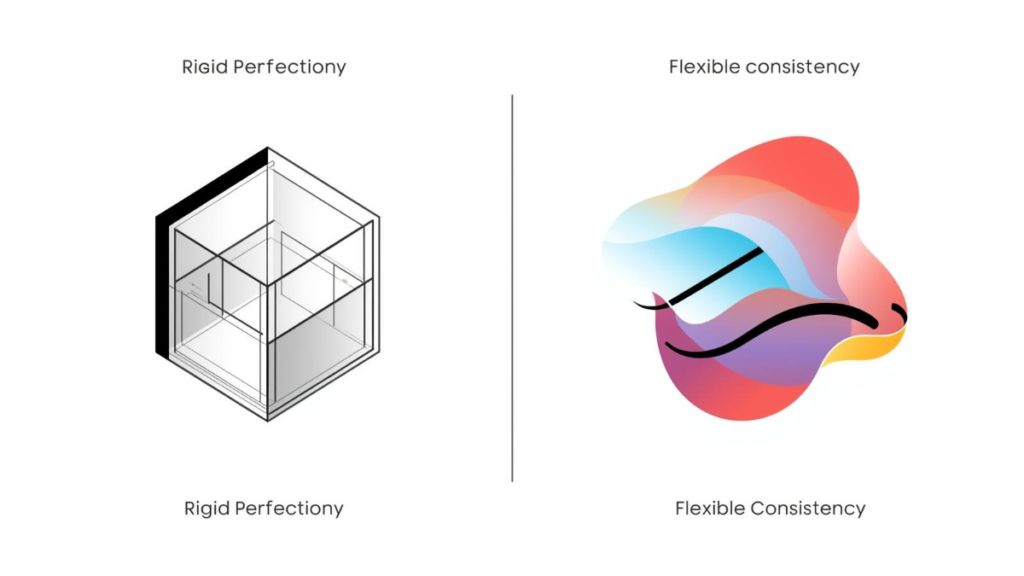
Consistency is flexible.
Perfectionism is rigid.
This flexibility is what keeps momentum alive.
Why Consistency Supports Manifestation
Manifestation works through repetition and familiarity.
The mind responds to what it experiences consistently, not occasionally or perfectly. Calm repetition builds trust. Trust reduces resistance.
Perfectionism keeps the mind evaluating.
Consistency allows the mind to settle.
This is why small, steady practices outperform intense but short-lived efforts.
Perfectionism vs Self-Trust

Perfectionism doesn’t build self-trust.
Each missed day or imperfect effort feels like failure. Over time, this erodes confidence.
Consistency builds self-trust because it proves:
“I return, even when things aren’t ideal.”
This trust strengthens belief — and belief supports manifestation.
Why Doing Less Often Works Better
Doing less removes pressure.
When expectations are lower, it’s easier to stay engaged. When engagement is steady, progress compounds.
A 5-minute practice repeated often creates more alignment than a 30-minute routine followed inconsistently.
Less done consistently beats more done occasionally.
How to Shift From Perfectionism to Consistency
The shift doesn’t require discipline.
It requires permission.
Helpful changes include:
- setting minimum effort goals
- allowing incomplete sessions
- measuring consistency, not intensity
- continuing after breaks
When the mind feels safe to return without judgment, consistency becomes natural.
Why Perfectionism Feels Productive (But Isn’t)
Perfectionism feels productive because it focuses on preparation and control.
But preparation without repetition doesn’t create results.
Progress comes from showing up repeatedly — not from planning the perfect approach.
Consistency moves things forward quietly.
Consistency in Daily Life (Beyond Manifestation)
Consistency improves:
- emotional regulation
- habit formation
- decision-making
- self-confidence
When consistency becomes your baseline, manifestation feels less like a technique and more like a lifestyle.
Frequently Asked Questions
Why is consistency better than perfectionism?
Consistency builds momentum and trust, while perfectionism creates pressure and inconsistency.
Can perfectionism block manifestation?
Yes. Perfectionism increases resistance and interrupts steady practice.
How do I stay consistent without burning out?
Lower expectations, keep practices short, and allow imperfection.
Is it okay to miss days?
Yes. Returning calmly matters more than never missing a day.
How long does consistency take to show results?
Results build gradually as habits stabilize and resistance reduces.
Final Thought
Perfectionism asks for everything — and gives very little back.
Consistency asks for less — and gives steady progress.
You don’t need to do it perfectly to manifest change.
You need to keep returning.
That’s where real alignment grows.