
Manifestation often feels frustrating because it rarely looks the way people expect it to.
You may visualize, journal, or stay hopeful — yet nothing seems to change on the outside. Over time, this creates doubt, impatience, or the feeling that manifestation “works for others, but not for me.”

In reality, manifestation usually is working — just not in obvious or dramatic ways.
Most people misunderstand how manifestation works. They focus only on outcomes, while manifestation actually begins with subtle internal shifts that take time to settle.
If you’ve ever felt stuck, discouraged, or quietly disappointed, this explanation will help you understand what’s really happening beneath the surface.
Why Manifestation Often Feels Slow or Ineffective
👉 Jump to section
Manifestation doesn’t fail because you’re doing it wrong.
It feels slow because it doesn’t start where you’re looking.
Most people watch for:
- sudden opportunities
- instant results
- clear signs
- physical proof
But manifestation rarely begins there.
It begins with how you think, how you feel, and how you respond to life when no one is watching.
If your inner world hasn’t shifted yet, the outer world has nothing new to reflect.
This is why forcing positivity, repeating affirmations without belief, or constantly checking for results often backfires. These habits create pressure, not alignment.
Manifestation works best when resistance softens — not when effort increases.
How Manifestation Actually Works (Step by Step)
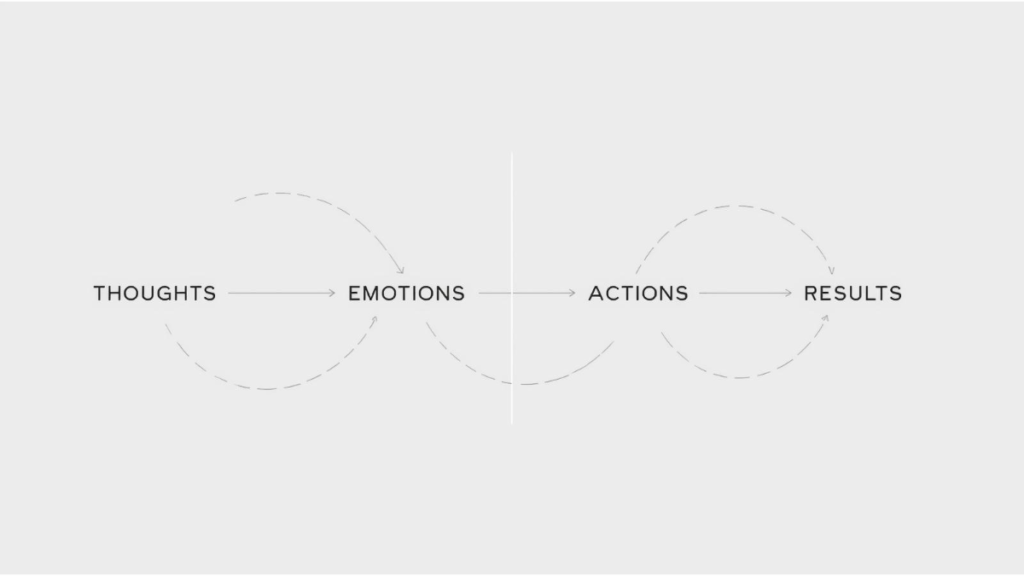
Manifestation works through a quiet, repeating cycle:
Thoughts → Emotions → Actions → Patterns → Results
This cycle runs whether you’re aware of it or not.
When you repeatedly think a certain way, your emotional state adjusts. Your emotions influence how safe, confident, or hesitant you feel. Those feelings guide your actions — even the smallest ones.
Over time, these actions form patterns.
Patterns create outcomes.
Manifestation isn’t about controlling reality.
It’s about becoming internally aligned with the version of reality you want to experience.
That alignment doesn’t happen instantly. It builds gradually, through awareness and repetition.
The Role of Belief in Manifestation
Belief is not about blind faith.
It’s about expectation.
When you expect something to be possible, your mind stays open. You notice options, ideas, and chances you might otherwise ignore.
When you don’t believe something is possible, your mind closes quietly. You may dismiss opportunities, delay action, or self-sabotage without realizing it.
This is why belief is often the real block — not lack of effort.
Manifestation doesn’t require perfect belief.
It requires less resistance than before.
Even small shifts matter.
Why Inner Changes Come Before External Results
One of the biggest misunderstandings about manifestation is timing.
People assume:
“If manifestation is working, I should see results quickly.”
But manifestation usually works in this order:
- Emotional calm
- Mental clarity
- Behavioral shifts
- External change
Most people quit at stage one or two because nothing “big” has happened yet.
But calm is not nothing.
Clarity is not nothing.
These are signs that alignment is forming.
When your reactions soften, when your anxiety reduces, when your thinking becomes less chaotic — manifestation is already in motion.
Why Overdoing Manifestation Slows It Down
More techniques don’t equal faster results.
In fact, too many routines often create pressure.
Long visualization sessions, forced gratitude, constant affirmations, and nonstop checking can signal urgency and lack — which increases resistance.
Manifestation works better when it feels:
- calm
- neutral
- natural
- sustainable
This is why simple practices outperform intense ones over time.
Small, repeatable habits build trust with your mind.
Trust creates alignment.

The Importance of Detachment
Detachment is one of the most misunderstood aspects of manifestation.
Detachment does not mean giving up.
It means releasing emotional pressure.
When you stop monitoring results, your nervous system relaxes. A relaxed mind is more open, focused, and receptive.
You don’t detach from the desire.
You detach from the anxiety around it.
This shift alone can change how manifestation unfolds.
How Daily Life Supports Manifestation
Manifestation is not separate from daily life.
It shows up in:
- how you talk to yourself
- how you respond to stress
- how you make small decisions
- how you treat uncertainty
When your inner dialogue becomes kinder and clearer, your external experiences begin to mirror that shift.
Manifestation is not an event.
It’s a way of relating to your thoughts and emotions.
Frequently Asked Questions
How manifestation works for beginners?
Manifestation works by gradually shifting thoughts, emotions, and actions. Beginners benefit most from simple awareness and consistency rather than complex techniques.
Why does manifestation feel like it’s not working?
Because internal changes happen before external results. Calm, clarity, and emotional stability are early signs of progress.
Does manifestation require affirmations or visualization?
No. These tools can help, but manifestation works through focus, belief, and reduced resistance — not tools alone.
How long does manifestation take to work?
There is no fixed timeline. Manifestation unfolds as mindset and habits align, which varies for each person.
Can manifestation work without feeling positive all the time?
Yes. Manifestation does not require constant positivity. Awareness and emotional regulation matter more than forced optimism.
Final Thought
Manifestation doesn’t need more effort.
It needs more understanding.
When you stop forcing results and start noticing subtle shifts, the process becomes lighter, calmer, and more natural.
Manifestation works — not loudly, not instantly, and not under pressure.
It works quietly, through alignment.
And that alignment begins the moment you understand how manifestation really works