
Manifestation tools are often presented as the solution when results feel slow.
Vision boards, affirmations, scripting, journals, water methods, numbers — the list keeps growing. Many people believe that using more tools will speed things up or fix what isn’t working.
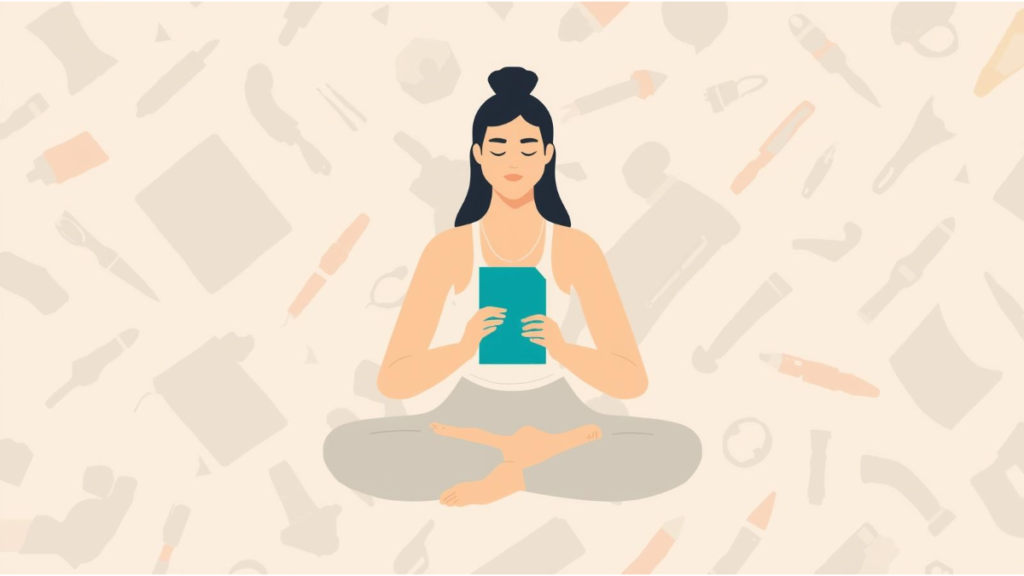
But in reality, overusing manifestation tools often creates the opposite effect.
Instead of clarity, it creates confusion.
Instead of alignment, it creates pressure.
Understanding why less is more can completely change how manifestation feels — and how sustainable it becomes.
Why Manifestation Tools Feel Necessary
👉 Jump to section
When results aren’t visible, the mind looks for control.
Tools offer structure, action, and reassurance. They make it feel like you’re “doing something,” which temporarily reduces anxiety.
This is why people often add tools when they feel stuck — not when they feel aligned.
The problem isn’t the tools themselves.
It’s the belief that tools create results.
Manifestation doesn’t respond to tools.
It responds to internal state.
How Too Many Tools Create Resistance
Every tool carries an expectation.
When you stack multiple tools, you also stack:
- timelines
- rules
- pressure
- self-monitoring
This turns manifestation into a performance.
Instead of listening to your internal state, you start asking:
- “Am I doing this right?”
- “Which method works fastest?”
- “Should I add another technique?”
These questions signal urgency, not alignment.
Resistance grows quietly.
Tools vs. Alignment (The Important Distinction)
Manifestation tools are not the cause of alignment.
They are only supports.
Alignment comes from:
- emotional steadiness
- reduced urgency
- clarity
- trust
Tools can support these states — or disrupt them.
When a tool feels calming, grounding, or clarifying, it helps.
When it feels heavy, repetitive, or stressful, it interferes.
This is why fewer tools often work better.
Why Simple Tools Are More Effective
Simple tools are repeatable.
They don’t rely on motivation, excitement, or perfect conditions. They fit naturally into daily life.

Examples of low-pressure tools:
- brief journaling
- short visualization
- single intention setting
- quiet reflection
These tools don’t demand emotional performance.
They support awareness.
Awareness is where alignment begins.
The Role of Consistency (Not Variety)
Many people rotate tools constantly.
They try one method for a few days, then switch to another, hoping something will “click.”
But consistency matters more than variety.
The mind builds familiarity through repetition. Familiarity reduces resistance.
Switching tools too often keeps the mind in evaluation mode instead of alignment mode.
Less variety allows deeper integration.
Why Manifestation Feels Easier When You Do Less
When tools are simplified:
- pressure drops
- mental noise reduces
- trust increases
- emotional steadiness improves
Manifestation starts to feel calmer, not effortful.
This is often when progress begins — not because you did more, but because you stopped forcing.
Ease is a signal of alignment.
How to Choose the Right Manifestation Tool

A tool is right for you if:
- it feels calming, not demanding
- it fits easily into your day
- you don’t feel guilty skipping it
- it supports clarity, not obsession
If a tool creates anxiety or urgency, it’s not aligned — no matter how popular it is.
Tools should support your nervous system, not challenge it.
One Tool Is Often Enough
You don’t need a full routine.
For most people, one simple tool practiced consistently is enough.
Examples:
- journaling one page per day
- visualizing briefly before sleep
- setting one clear intention each morning
One tool practiced calmly builds more alignment than five tools practiced anxiously.
Why Letting Go of Tools Feels Uncomfortable
Letting go of tools can feel scary.
Without them, the mind fears losing control. But control is not the same as alignment.
Manifestation doesn’t require constant action.
It requires trust and consistency.
When tools are reduced, trust has space to grow.
Frequently Asked Questions
Do manifestation tools actually work?
Yes, but only when they support calm focus and alignment rather than pressure and urgency.
Is it bad to use multiple manifestation tools?
It’s not bad, but using too many tools often creates resistance and inconsistency.
What is the best manifestation tool?
The best tool is the one you can practice calmly and consistently without pressure.
Can manifestation work without tools?
Yes. Tools are optional supports, not requirements.
How do I know if a tool is working for me?
If it feels calming, grounding, and sustainable, it’s likely supportive.
Final Thought
Manifestation doesn’t need more tools.
It needs more space.
When pressure drops and simplicity returns, alignment strengthens naturally.
You don’t need to do more to manifest.
You need to do less — more consistently.
That’s when manifestation starts to feel natural again.