
Visualization Backed by Science: Why Seeing It Makes It Real
👉 Jump to section
Have you ever imagined something clearly and then noticed opportunities appear around it? That’s visualization working — not by coincidence, but by the way the brain responds to mental imagery. When used with manifestation, visualization becomes a powerful tool for belief, confidence, and action.
If you want a structure for visualization and belief-building, try our Daily Manifestation Routine — it’s a simple morning practice that helps you start the day with clarity and intention.
Visualization isn’t about forcing outcomes. It’s about teaching the mind what to look for.
“Writing down your goals before visualizing them helps your brain process images more clearly.”
What Is Visualization in Simple Words?
Visualization means creating mental images of what you want to experience. Many of us visualize without realizing it when we think about future plans, decisions, or goals. But when done intentionally, it becomes a technique for shaping mindset and expectation.
According to Mindful.org, visualization activates similar parts of the brain as physically performing an action, which is why athletes and performers use it regularly.
How Visualization Works in the Brain
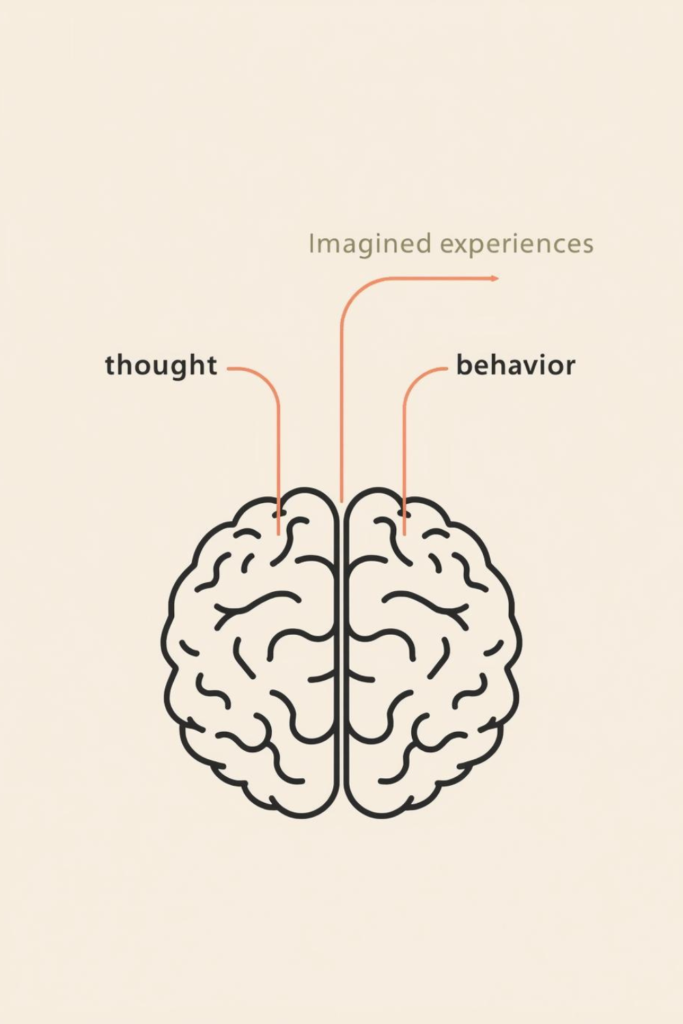
Your brain responds to imagined experiences almost the same way it responds to real ones. This creates:
- Increased confidence
- Reduced fear and doubt
- Improved memory of desired outcomes
- Automatic motivation
Researchers have found that mental rehearsal (visualizing a task) can improve performance even without physical practice. VeryWellMind explains how guided imagery lowers stress and improves focus, which supports long-term manifestation goals.
When you see success in your mind, the brain starts to accept it as familiar and achievable.
Why Visualization Supports Manifestation
Visualization helps your mind:
- Expect good outcomes
- Notice opportunities faster
- Choose better actions
- Build confidence before results appear
In manifestation, the goal isn’t to “wish for something.”
It’s to become mentally prepared to receive it.
Your focus creates direction.
Your imagination creates belief.
And belief shapes behavior.
“Pairing visualization with gratitude strengthens emotional response and memory retention.”
How to Visualize Properly (Beginner-Friendly Method)
You only need 60–90 seconds for effective visualization.
Try this:
- Sit comfortably with eyes closed
- Picture ONE desired outcome
- Add one emotional detail (relief, joy, gratitude)
- Add one sensory detail (sound, color, touch)
- See it as already done
Visualization works best when it feels simple, short, and calm — not forced or dramatic.
👉 Read: Manifestation in 30 Days (Complete Guide)
Night Routine: Visualization Before Sleep

Visualization is easier at night because the mind is naturally relaxed.
Try this tonight:
- Think of one scene where your desire is already real
- Replay it slowly for 20–30 seconds
- Let the feeling of “already done” settle into the body
This gentle repetition encourages your subconscious to accept success while you sleep.
“When your goals are visually represented, your mind responds more strongly to repeated imagery.”
FAQ
1. Is visualization scientifically proven?
Yes. Many studies show that mental rehearsal can improve confidence, lower stress, and activate areas of the brain responsible for focused attention and planning.
2. How long should I visualize each day?
Just 1–2 minutes is enough. Short, consistent practices are better than long sessions done rarely.
3. Do I need vivid imagination to visualize?
No. Even simple mental images or feelings of success help shift the mind toward belief and expectancy.
4. Should I visualize specific details or general feelings?
Both work. If specific details feel stressful, focus on the feeling of relief or gratitude instead.
5. Can visualization replace action?
Visualization supports action by increasing confidence and motivation. It works best when paired with inspired steps.
Final Thoughts
Visualization is not about pretending something is true.
It’s about training the brain to believe in possibility.
When you imagine clearly and consistently, the mind becomes ready to receive good outcomes. Over time, you’ll notice patterns, ideas, and moments that align with what you’ve been visualizing.
Small daily practices create big internal shifts.
Let your imagination guide your belief.
“To stay consistent, many beginners combine visualization with a simple daily manifestation routine.”
👉 Next Read: Law of Assumption Neville Goddard (Full Beginner Guide)